Tools for Effective Leak Detection
- Matthew Dalton
- Sep 29, 2025
- 4 min read

Leaks can be sneaky. They start small, often unnoticed, but left unchecked, they can cause serious damage. Whether it’s a dripping faucet or a hidden pipe leak, catching the problem early saves money and stress. Over the years, I’ve learned that having the right tools makes all the difference. Today, I want to share some of the best tools for plumbing leak identification. These tools help you find leaks quickly and accurately, so you can fix them before they turn into costly repairs.
Why Plumbing Leak Identification Matters
Leaks waste water and increase your bills. More importantly, they can damage your home’s structure, promote mold growth, and even affect your health. That’s why plumbing leak identification is crucial. It’s not just about fixing a drip; it’s about protecting your property and your family.
You might wonder, how do professionals find leaks that aren’t visible? The answer lies in specialized tools designed to detect leaks behind walls, under floors, and in hard-to-reach places. These tools give you a clear picture of what’s going on beneath the surface.
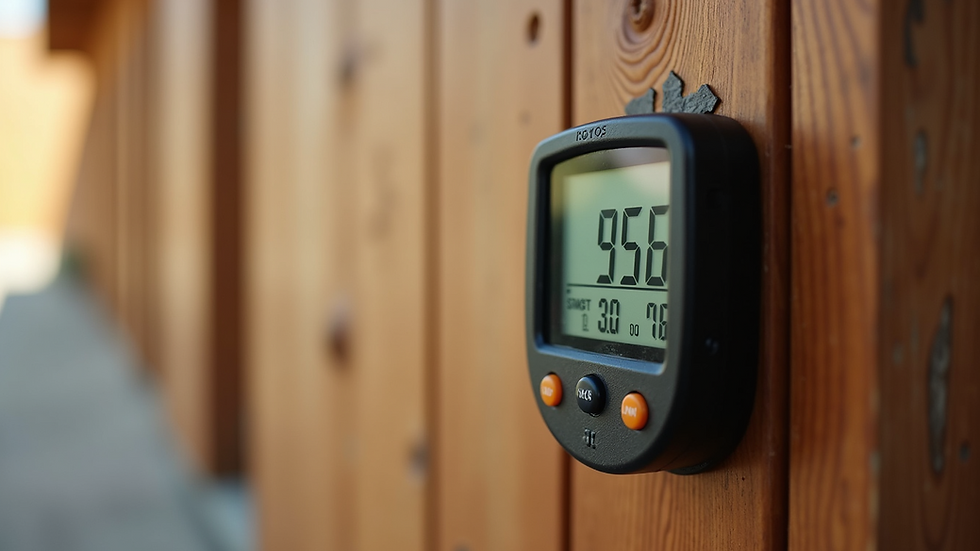
Top Tools for Plumbing Leak Identification
Let’s dive into the tools that make leak detection easier and more reliable. Whether you’re a homeowner or a business owner, these tools can help you spot leaks early.
1. Infrared Cameras
Infrared cameras detect temperature differences. Water leaks often cause cooler spots because of evaporation. These cameras show a thermal image, highlighting areas with unusual temperatures. It’s like having X-ray vision for your walls.
Benefits:
Non-destructive
Can scan large areas quickly
Detect hidden leaks behind walls or under floors
Infrared cameras are a favorite for professionals because they save time and reduce guesswork.

2. Acoustic Leak Detectors
Leaks often make noise – a faint hissing or dripping sound. Acoustic leak detectors amplify these sounds, making it easier to pinpoint the leak’s location. This tool is especially useful for underground pipes or pipes inside walls.
How to use: Place the sensor on the pipe or wall and listen for leak sounds through headphones. The louder the sound, the closer you are to the leak.
3. Pressure Gauges
Pressure gauges measure water pressure in your plumbing system. A sudden drop in pressure can indicate a leak. This tool is simple but effective for spotting leaks in water supply lines.
Tip: Check your water pressure regularly. If it drops without explanation, it’s time to investigate.
4. Dye Testing
Dye testing is a low-tech but effective method. You add a special dye to your water system and watch for colored water appearing where it shouldn’t. This method works well for toilets, drains, and outdoor irrigation systems.
How to use: Add dye to the tank or pipe, then check for colored water in suspicious areas.
How much does a leak detection cost?
You might be wondering, “How much does a leak detection cost?” The answer depends on the tools used and the complexity of the job. Basic methods like moisture meters and dye testing are affordable and sometimes DIY-friendly. More advanced tools like infrared cameras and acoustic detectors require professional expertise and can cost more.
For a typical home, professional leak detection services range from $100 to $500. Commercial properties or complex leaks may cost more. Remember, investing in early leak detection saves you from expensive repairs later.
If you want to learn more about how to spot leaks yourself, check out this helpful guide on leak detection.

DIY Leak Detection Tips
Not every leak requires a professional right away. Here are some simple tips you can try at home:
Check your water meter: Turn off all water and watch the meter. If it moves, you have a leak.
Look for water stains: Discoloration on walls or ceilings often signals leaks.
Listen for dripping: Sometimes, you can hear leaks even if you can’t see them.
Inspect your toilets: Add dye to the tank and see if it seeps into the bowl without flushing.
Monitor your water bill: A sudden spike can mean a hidden leak.
These steps help you catch leaks early and decide if you need professional help.
Why Professional Tools and Expertise Matter
While DIY methods are useful, some leaks are tricky. Professionals use advanced tools and have the experience to interpret results accurately. They can detect leaks behind concrete slabs, inside walls, or underground. Plus, they know how to fix the problem without causing more damage.
Choosing a trusted plumbing service means you get reliable leak detection and repairs. It’s peace of mind knowing your home or business is safe from water damage.
Taking Action on Leak Detection
Finding a leak is just the first step. Once you know where it is, act quickly. Small leaks can turn into big problems fast. Fixing leaks promptly saves water, money, and your property.
If you suspect a leak but can’t find it, don’t wait. Contact a professional who can use the right tools to locate and repair the issue. Remember, early detection is your best defense.
Leaks don’t have to be a mystery. With the right tools and a bit of know-how, you can protect your property and avoid costly repairs. Whether you try some DIY methods or call in the pros, the key is to act fast. After all, a small drip today can mean a big headache tomorrow.


Comments