Effective Drain Cleaning Techniques
- Matthew Dalton
- Sep 11, 2025
- 4 min read

Clogged drains are a hassle. They slow down your daily routine and can cause bigger problems if ignored. I’ve dealt with many stubborn blockages, and I’m here to share what works best. Whether it’s your kitchen sink, bathroom drain, or a commercial pipe, knowing how to tackle clogs effectively saves time and money. Ready to get those drains flowing smoothly again? Let’s dive in.
Understanding the Basics of Unclogging Drains
Before grabbing any tools, it helps to understand what causes clogs. Hair, grease, soap scum, food scraps, and dirt are the usual suspects. Over time, these materials build up and block water flow. Sometimes, foreign objects accidentally fall into drains, making things worse.
The first step is to identify the type of clog. Is the water draining slowly or not at all? Is the blockage near the surface or deeper in the pipes? Knowing this helps you pick the right method.
Here are some simple ways to start:
Boiling water: Pouring boiling water down the drain can dissolve grease and soap buildup.
Manual removal: Use a wire hanger or a drain snake to pull out hair and debris near the surface.
Plunger: A plunger creates suction to dislodge blockages in sinks and toilets.
If these don’t work, it’s time to try stronger methods or call in professionals.
Proven Tips for Unclogging Drains Quickly and Safely
When simple tricks fail, don’t panic. There are safe and effective techniques you can try at home. Here’s what I recommend:
Use a Drain Snake or Auger
This tool is a flexible metal cable that you feed into the drain. It breaks up or pulls out clogs deep inside the pipe. You can buy one at any hardware store. Insert it slowly, twist, and pull out the debris.
Try a Wet/Dry Vacuum
If you have a wet/dry vacuum, it can suck out the clog. Set it to liquid mode, create a tight seal over the drain, and turn it on. This method works well for loose debris.
Natural Cleaning Solutions
Mix baking soda and vinegar for a chemical-free cleaner. Pour half a cup of baking soda down the drain, then add half a cup of vinegar. Let it fizz for 15 minutes, then flush with hot water. This combo breaks down grime and deodorizes.
Avoid Harsh Chemicals
Many store-bought drain cleaners contain strong acids or bases. They might clear the clog but can damage your pipes and harm the environment. Use them sparingly and follow instructions carefully.
If you want to skip the hassle, professional drain cleaning services are a smart choice. Experts have the right tools and know-how to fix any clog fast.

What's the Strongest Thing to Unclog a Drain?
You might wonder, “What’s the strongest thing to unclog a drain?” The answer depends on the clog type and pipe condition. Here’s what I’ve found works best:
Plumbing Snake (Drain Auger): This is the strongest tool for most clogs. It physically breaks up or pulls out blockages. For tough clogs, a motorized auger can reach deeper and apply more force.
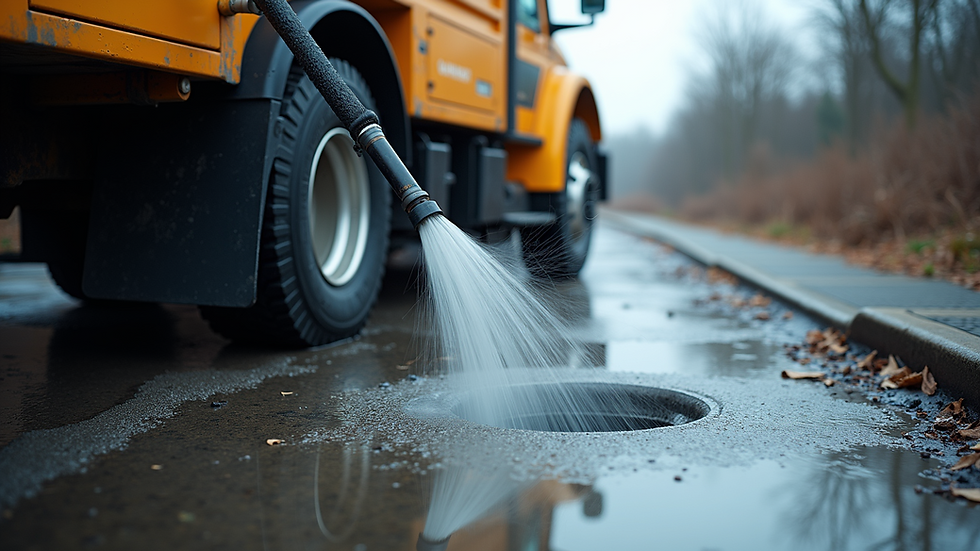
Hydro Jetting: This professional method uses high-pressure water to blast away debris and buildup inside pipes. It’s powerful and safe for most plumbing systems.
Enzyme Cleaners: These use natural bacteria to eat away organic material. They’re not instant but work well for maintenance and mild clogs.
Avoid relying solely on chemical cleaners. They might seem strong but can cause pipe corrosion or worsen blockages over time.
If you’re dealing with a stubborn clog, consider calling a professional. They can assess the situation and use the strongest, safest methods to clear your drains.
Preventive Measures to Keep Your Drains Clear
The best way to deal with clogged drains is to prevent them in the first place. Here are some easy habits to adopt:
Use Drain Screens: Place screens over drains to catch hair, food particles, and other debris.
Dispose of Grease Properly: Never pour cooking grease down the sink. Let it cool and throw it in the trash.
Regular Maintenance: Flush drains monthly with hot water or a baking soda-vinegar mix.
Avoid Flushing Non-Flushable Items: Items like wipes, cotton balls, and paper towels can cause serious blockages.
Educate Everyone: Make sure everyone in your home or business knows what can and cannot go down the drain.
These small steps can save you from costly repairs and messy backups.
When to Call the Experts for Drain Cleaning
Sometimes, DIY methods just won’t cut it. If you notice persistent slow drains, foul odors, or water backing up, it’s time to get professional help. Experts have specialized equipment like video cameras to inspect pipes and hydro jetters to clear tough clogs.
Professional drain cleaning services also help extend the life of your plumbing system. They can spot early signs of damage and fix them before they become major problems.
Don’t wait until a small clog turns into a flood. Reach out to trusted plumbers who understand local plumbing systems and offer reliable, fast service.
Taking care of your drains doesn’t have to be a headache. With the right tools, techniques, and a bit of know-how, you can keep water flowing freely. Remember, prevention is key, but when clogs happen, act quickly and confidently. If you ever feel stuck, professional help is just a call away. Your pipes will thank you!


Comments