Detecting Hidden Water Leaks: Your Guide to Leak Detection Plumbing

Water leaks can be sneaky. They often hide behind walls, under floors, or beneath your property’s surface. Left unnoticed, these leaks can cause serious damage and lead to costly repairs. That’s why knowing how to detect hidden water leaks is crucial. In this post, I’ll walk you through practical ways to spot leaks early, explain the role of leak detection plumbing, and share tips to protect your property.
Why Leak Detection Plumbing Matters
Leak detection plumbing is more than just fixing visible drips. It’s about finding leaks that you can’t see or hear. These hidden leaks waste water, increase your bills, and can damage your home’s structure. Sometimes, a small leak can go unnoticed for months, causing mold, wood rot, or even foundation problems.
So, how do you catch these leaks before they become disasters? Leak detection plumbing uses specialized tools and techniques to locate leaks without tearing up your walls or floors. Professionals use equipment like:
Acoustic listening devices to hear water escaping pipes
Thermal imaging cameras to spot moisture behind surfaces
Moisture meters to measure dampness in walls and floors
Video pipe inspection cameras to look inside pipes
These tools help pinpoint the exact location of a leak quickly and accurately. This means repairs can be targeted and less invasive.

How to Spot Hidden Water Leaks Early
You don’t always need fancy tools to catch leaks early. Sometimes, your senses and simple checks can alert you to a problem. Here are some signs to watch for:
Unexplained increase in water bills: If your water usage spikes without a change in habits, a leak might be the cause.
Damp or discolored walls and ceilings: Water stains or peeling paint can indicate a leak behind the surface.
Musty or moldy smells: Persistent odors often mean moisture is trapped somewhere.
Sounds of running water when all taps are off: This can be a sign of a hidden leak.
Low water pressure: Leaks can reduce the pressure in your plumbing system.
Pooling water or soggy ground: Outside, this might mean a broken underground pipe.
If you notice any of these signs, it’s time to act. Shut off your main water valve to prevent further damage and call a water leak detection specialist to assess the situation.
Does Home Insurance Cover Leak Detection?
Many homeowners wonder if their insurance will cover the cost of leak detection and repairs. The answer depends on your policy and the cause of the leak.
Typically, insurance covers sudden and accidental water damage, like a burst pipe. However, damage caused by slow leaks or lack of maintenance might not be covered. Leak detection itself is often considered a preventative measure, so it may not be included.
Here are some tips to navigate insurance coverage:
Review your policy carefully: Look for water damage and leak-related clauses.
Document everything: Take photos and keep records of inspections and repairs.
Contact your insurer promptly: Report leaks or damage as soon as you discover them.
Consider additional coverage: Some policies offer endorsements for water damage or leak detection services.
Even if insurance doesn’t cover leak detection, investing in early detection can save you thousands in repairs down the line.
DIY Leak Detection Tips You Can Try Today
While professional help is best for hidden leaks, you can do some simple checks yourself. Here’s how to get started:
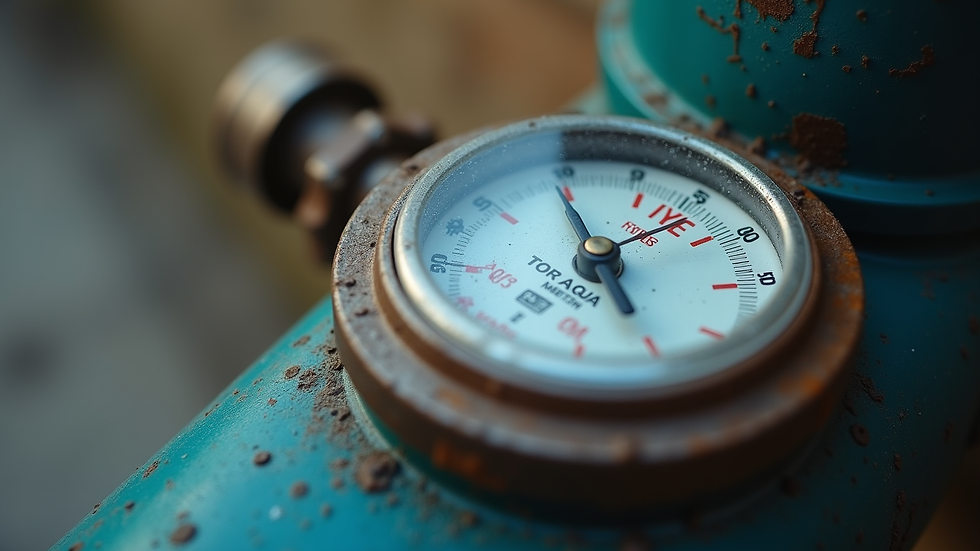
Check your water meter: Turn off all water in your home. Note the meter reading. Wait an hour without using water, then check the meter again. If it changed, you likely have a leak.
Inspect visible pipes: Look under sinks, around toilets, and near appliances for drips or corrosion.
Listen carefully: In a quiet room, listen for running water sounds.
Look for mold or mildew: Check corners, behind furniture, and near plumbing fixtures.
Test toilets for leaks: Add a few drops of food coloring to the tank. If color appears in the bowl without flushing, the toilet is leaking.
These steps can help you catch leaks early, but remember, hidden leaks often require professional tools and expertise.
When to Call a Water Leak Detection Specialist
If your DIY checks raise concerns or you notice signs of hidden leaks, it’s time to call a water leak detection specialist. These experts have the training and equipment to find leaks quickly and accurately.
Here’s why calling a specialist makes sense:
Save time and money: Early detection prevents costly damage.
Avoid unnecessary repairs: Targeted fixes mean less disruption.
Protect your property’s value: Water damage can reduce your home’s worth.
Get peace of mind: Knowing your plumbing is sound is priceless.
A professional can also advise on repairs and maintenance to prevent future leaks. Don’t wait until a small drip turns into a flood.
Protecting Your Property from Future Leaks
Once you’ve dealt with a leak, prevention is key. Here are some tips to keep your plumbing leak-free:
Schedule regular inspections: Annual checks by a professional can catch issues early.
Maintain your plumbing system: Replace old pipes and fixtures before they fail.
Monitor your water bills: Sudden increases can be an early warning.
Install leak detectors: These devices alert you to leaks before damage occurs.
Insulate pipes: Prevent freezing and bursting in cold weather.
Be mindful of water use: Avoid overloading your system with excessive water pressure.
Taking these steps helps protect your investment and keeps your property safe and dry.
Detecting hidden water leaks doesn’t have to be a mystery. With the right knowledge and timely action, you can stop leaks before they cause serious damage. Whether you’re checking your water meter or calling a water leak detection specialist, staying vigilant is your best defense. Remember, early detection saves money, stress, and your property’s health.


Comments