Advanced Leak Detection Techniques
- Matthew Dalton
- Sep 22, 2025
- 4 min read

Leaks in plumbing systems can cause serious damage if left unchecked. I’ve seen how a small drip can turn into a costly repair. That’s why knowing advanced leak detection techniques is crucial. Whether you’re dealing with a hidden pipe leak or a slow water loss, these methods help you find the problem fast and fix it before it worsens.
Let’s dive into some practical, easy-to-understand ways to detect plumbing leaks. I’ll also share tips on when to call the pros and what you can expect in terms of cost.
Why Detecting Plumbing Leaks Early Matters
Leaks don’t just waste water. They can damage walls, floors, and foundations. Mold growth and structural issues often follow. Plus, your water bill can skyrocket without you realizing it.
Have you ever wondered why your water meter keeps spinning even when no taps are open? That’s a classic sign of a hidden leak. Early detection saves money and stress.
Here’s what I recommend:
Check your water meter: Turn off all water sources and watch the meter. If it moves, you have a leak.
Look for water stains: Walls, ceilings, and floors may show discoloration or bubbling paint.
Listen carefully: Sometimes you can hear dripping or running water inside walls or under floors.
Smell for mold: A musty odor often signals moisture from leaks.
These simple steps are your first line of defense. But what if the leak is hidden deep inside pipes or underground? That’s where advanced techniques come in.

Advanced Methods for Detecting Plumbing Leaks
When basic checks don’t reveal the source, advanced tools and techniques are the answer. Here are some of the most effective ones I’ve used or recommended:
1. Thermal Imaging Cameras
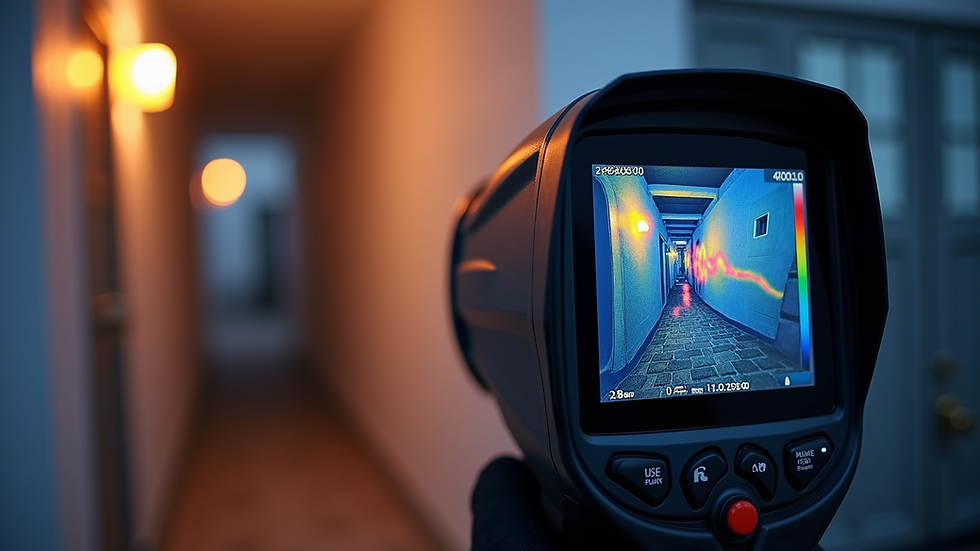
Thermal cameras detect temperature differences behind walls and under floors. Water leaks often cause cooler spots due to evaporation or wet materials. This method is non-invasive and quick.
Pros: No damage to walls, fast results.
Cons: Requires professional equipment and expertise.
2. Acoustic Leak Detection
This technique uses sensitive microphones to pick up the sound of water escaping pipes. It’s especially useful for underground or hidden leaks.
Pros: Accurate for pinpointing leaks.
Cons: Can be affected by background noise.
3. Pressure Testing
By pressurizing the plumbing system and monitoring pressure drops, you can identify leaks. This is common in new construction or after repairs.
Pros: Confirms leak presence.
Cons: Doesn’t locate exact leak spot.
4. Video Pipe Inspection
A small camera is inserted into pipes to visually inspect for cracks, blockages, or leaks. This method is highly effective for sewer and drain lines.
Pros: Direct visual evidence.
Cons: Equipment cost and need for professional operation.
5. Dye Testing
Non-toxic dyes are added to water lines or toilets to trace leaks. If dye appears where it shouldn’t, you’ve found your leak.
Pros: Simple and inexpensive.
Cons: Limited to certain leak types.
Using these advanced techniques can save you from guesswork and unnecessary repairs. If you’re unsure, it’s always smart to consult a professional.
How much does a leak detection cost?
One of the first questions I get asked is about cost. Leak detection prices vary depending on the method and the complexity of the job.
Here’s a rough breakdown:
Basic leak detection (visual inspection, water meter check): Often free or included with plumbing service.
Thermal imaging: $100 - $300 per inspection.
Acoustic detection: $350 - $500 depending on area size.
Pressure testing: $250 - $450.
Video pipe inspection: $200 - $500 or more.
Dye testing: $50 - $250.
Keep in mind, these are estimates. The total cost may increase if repairs are needed after detection.
If you want to save money, start with simple checks yourself. But for hidden or complex leaks, professional detection is worth the investment. It prevents bigger damage and higher repair bills.
If you’re searching for reliable leak detection near me, look for companies with good reviews and experience in your area.

DIY Tips for Spotting Plumbing Leaks Early
Not every leak requires advanced tools. You can catch many leaks early with these easy tips:
Check under sinks and around appliances regularly for moisture or puddles.
Monitor your water bill for unexpected increases.
Inspect your toilet by adding food coloring to the tank. If color appears in the bowl without flushing, you have a leak.
Look at your irrigation system for soggy spots or pooling water.
Listen for running water when everything is off.
These simple habits help you catch leaks before they cause damage. But remember, if you suspect a hidden leak, don’t hesitate to call a professional.
When to Call a Professional for Leak Detection
Sometimes, leaks are too tricky or risky to handle alone. Here are signs it’s time to get expert help:
You hear water running but can’t find the source.
Your water bill spikes without explanation.
You notice mold, mildew, or musty smells.
Walls, ceilings, or floors show signs of water damage.
You want to avoid damaging your property with invasive checks.
Professional plumbers have the right tools and know-how to find leaks quickly and safely. They also offer repair services, so you get a full solution.
If you’re in Lafayette, LA, and nearby areas, Matthew & Sons Plumbing is ready to help. They handle everything from small household fixes to big commercial projects, always aiming to keep customers happy.
Staying Ahead of Plumbing Problems
Detecting leaks early is just one part of good plumbing care. Regular maintenance and inspections keep your system running smoothly.
Here’s what I recommend:
Schedule annual plumbing inspections.
Replace old or damaged pipes promptly.
Install water leak detectors or smart sensors.
Keep an eye on water pressure and flow.
Educate yourself on signs of leaks and plumbing issues.
Taking these steps helps you avoid emergencies and costly repairs. Plus, it gives you peace of mind knowing your plumbing is in good shape.
Leaks can be sneaky, but with the right knowledge and tools, you can catch them early. Whether you try some DIY checks or call in the pros, don’t wait until a small drip becomes a big problem. Advanced leak detection techniques are your best defense for protecting your home or business.
If you want to learn more or need expert help, don’t hesitate to reach out to trusted local plumbers. After all, a dry, safe property is worth every effort.


Comments